
As siding companies take center stage, this guide offers a detailed look into the diverse landscape of siding materials, installation processes, cost factors, and maintenance services. Whether you’re a homeowner looking to revamp your exterior or simply curious about the world of siding, this overview will provide valuable insights to help you navigate the realm of siding companies with confidence.
From different types of siding materials to the intricacies of installation and maintenance, this guide covers everything you need to know about siding companies and their services.
Types of Siding Materials
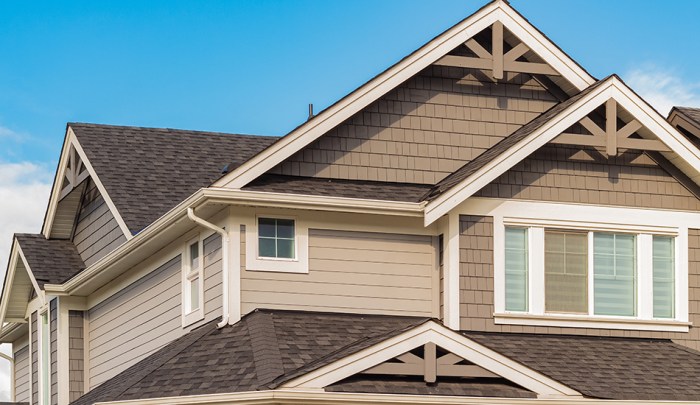
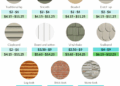
When it comes to siding materials, there are various options available in the market, each with its own set of pros and cons. It is important to consider factors such as durability, maintenance requirements, and aesthetic appeal when choosing the right siding material for your home.
Vinyl Siding
- One of the most popular siding materials due to its affordability and low maintenance.
- Available in a wide range of colors and styles to suit different architectural designs.
- Durable and resistant to rot, moisture, and insect damage.
- However, it may crack or fade over time and is not as environmentally friendly as other options.
Fiber Cement Siding
- A versatile and durable option that can mimic the look of wood, stucco, or stone.
- Resistant to fire, rot, and insects, making it a long-lasting choice for homeowners.
- Requires minimal maintenance and is eco-friendly compared to vinyl or aluminum siding.
- However, it can be heavy to install and may require professional assistance.
Wood Siding
- Known for its natural beauty and timeless appeal, wood siding adds warmth and character to a home.
- Can be painted or stained in various colors to match different design preferences.
- However, wood siding is prone to rot, insect infestations, and requires regular maintenance like painting or sealing.
- Higher upfront costs compared to vinyl or fiber cement siding.
Aluminum Siding
- Lightweight and easy to install, aluminum siding is a cost-effective option for homeowners.
- Resistant to fire, rot, and insect damage, making it a durable choice for exterior cladding.
- Low maintenance and available in a variety of colors and finishes.
- However, aluminum siding may dent easily and is not as energy-efficient as other materials.
Siding Installation Process
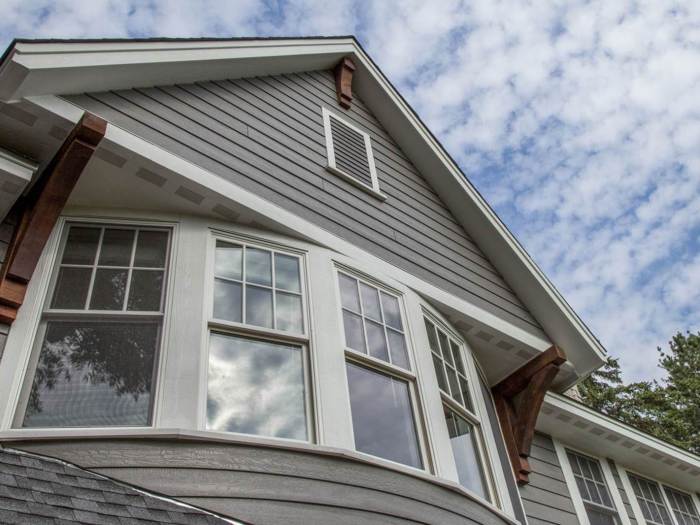
When it comes to the installation of siding by siding companies, there are several key steps involved to ensure a successful and long-lasting result. Proper preparation, the use of specific tools and equipment, and overcoming potential challenges are all essential aspects of the siding installation process.
Importance of Proper Preparation
Proper preparation before installing siding is crucial to the overall success of the project. This includes assessing the condition of the existing exterior, making any necessary repairs or updates, and ensuring that the surface is clean and ready for new siding.
Without proper preparation, the siding may not adhere correctly or could be at risk of damage in the future.
Tools and Equipment Used
- Siding nail gun
- Tape measure
- Level
- Tin snips
- Ladder
- Caulking gun
- Siding cutter
Proper tools and equipment are essential for a smooth and efficient siding installation process. Each tool serves a specific purpose in ensuring accurate measurements, clean cuts, and secure attachment of the siding panels.
Challenges and Considerations
- Weather conditions: Extreme heat or cold can impact the installation process and may require adjustments in timing or techniques.
- Structural issues: Discovering underlying structural problems during installation can delay the project and may require additional repairs.
- Matching existing siding: Ensuring that the new siding matches the existing style, color, and texture can be a challenge, especially with older homes.
Being prepared to address these challenges and considerations is vital for siding companies to deliver high-quality results and customer satisfaction. By understanding the potential obstacles and having a plan in place to overcome them, siding installation can proceed smoothly and efficiently.
Cost Factors and Estimates
When it comes to siding installation costs, several factors come into play that can influence the overall price. Understanding these factors and how to get accurate estimates can help homeowners make informed decisions about their siding project.
Factors Influencing Cost
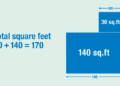
- The size of the home: Larger homes will require more materials and labor, leading to higher costs.
- Choice of siding material: Different materials come at varying price points, with some being more expensive than others.
- Quality of the siding: Higher quality materials may cost more upfront but can be more durable in the long run.
- Additional features: Factors such as trim work, insulation, and special finishes can add to the overall cost.
- Location: Labor costs can vary depending on the region and accessibility of the home.
Getting Accurate Estimates
- Obtain multiple quotes: Reach out to different siding companies to compare prices and services offered.
- Ask for detailed breakdowns: Request itemized estimates that clearly Artikel material costs, labor charges, and any additional fees.
- Consider long-term value: While upfront costs are important, also factor in the longevity and maintenance requirements of different siding materials.
Cost Comparison
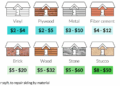
- Vinyl siding: Generally one of the more affordable options, with lower installation costs compared to materials like fiber cement or wood.
- Fiber cement siding: Offers a balance between cost and durability, falling in the mid-range price-wise.
- Wood siding: Can be more expensive due to the higher cost of materials and specialized installation techniques.
Cost-Saving Strategies
- Opt for off-season installations: Siding companies may offer discounts during slower months, helping homeowners save on costs.
- Consider DIY options: While not recommended for all homeowners, some may be able to tackle certain siding tasks themselves to cut down on labor expenses.
- Maintain existing siding: Regular maintenance and repairs can prolong the lifespan of current siding, delaying the need for a full replacement.
Maintenance and Repair Services

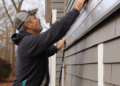
When it comes to maintaining the beauty and functionality of your siding, siding companies offer a range of services to help homeowners keep their exteriors in top condition. Regular maintenance is key to ensuring the longevity of your siding and protecting your home from the elements.
Typical Maintenance Services
- Regular cleaning to remove dirt, debris, and mold buildup.
- Inspecting for signs of damage, such as cracks, warping, or loose panels.
- Sealing gaps and seams to prevent moisture infiltration.
- Repainting or re-staining to maintain the appearance of the siding.
Importance of Regular Maintenance
Regular maintenance not only helps to preserve the aesthetic appeal of your home but also plays a crucial role in extending the lifespan of your siding. By addressing minor issues early on, you can prevent more costly repairs down the line and ensure your siding remains durable and weather-resistant.
Common Repair Issues
- Cracks or holes in the siding panels.
- Water damage, including rot or mold growth.
- Loose or missing panels due to wind or impact damage.
- Fading or peeling paint or stain.
Identifying Signs of Damage
- Inspect your siding regularly for any visible signs of damage, such as discoloration, warping, or moisture stains.
- Check for soft spots or areas that feel spongy to the touch, which may indicate water damage.
- Look for gaps or cracks where pests or moisture can enter and cause further damage.
- If you notice any of these issues, it’s important to contact a professional siding company for repair services to prevent further damage to your home.
Ending Remarks
In conclusion, siding companies play a crucial role in enhancing the aesthetics and functionality of homes. By understanding the nuances of siding materials, installation processes, cost considerations, and maintenance services, homeowners can make informed decisions to ensure their siding remains in top condition for years to come.
Dive into the world of siding companies and unlock the secrets to a beautiful and durable exterior for your home.
FAQ Guide
What are the most common types of siding materials used by siding companies?
Siding companies often work with materials such as vinyl, wood, fiber cement, metal, and stucco.
How can homeowners ensure they get accurate estimates from siding companies?
Homeowners can request detailed estimates that include labor, materials, and any additional costs. It’s also helpful to get multiple quotes for comparison.
What are some common maintenance services offered by siding companies?
Typical maintenance services include cleaning, inspections for damage or wear, and repairs as needed.
Why is regular maintenance important for prolonging the lifespan of siding?
Regular maintenance helps identify issues early, preventing extensive damage and preserving the integrity of the siding over time.