
Delving into the realm of siding materials, this introduction beckons readers into a world of construction wonders, where durability, cost, and environmental impact collide to shape our built environment. Get ready for a deep dive into the world of siding materials that promises to inform and captivate.
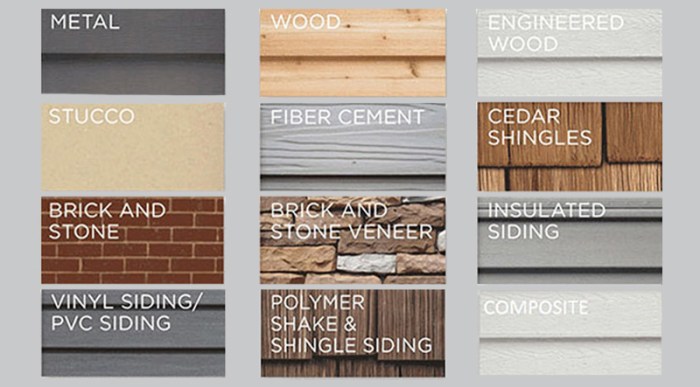
Types of Siding Materials
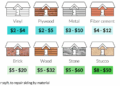
Vinyl, fiber cement, wood, and metal are common siding materials used in construction projects. Each material has its own unique characteristics and benefits, making them suitable for different applications.
Vinyl Siding
Vinyl siding is known for its durability, low maintenance, and affordability. It is available in a wide range of colors and styles, making it a popular choice for homeowners looking to enhance the aesthetics of their homes. However, vinyl siding may not be as durable as other materials like fiber cement.
Fiber Cement Siding
Fiber cement siding is highly durable and resistant to fire, moisture, and pests. It offers a natural wood-like appearance without the maintenance requirements of wood siding. While fiber cement siding may be more expensive upfront compared to vinyl siding, its longevity and durability make it a cost-effective choice in the long run.
Wood Siding
Wood siding is a classic choice that adds warmth and character to a home. It can be painted or stained in various colors to suit different architectural styles. However, wood siding requires regular maintenance, such as repainting or restaining, to prevent rot and decay.
In terms of cost, wood siding can be more expensive than vinyl or metal siding due to the maintenance involved.
Metal Siding
Metal siding, like aluminum or steel, is known for its durability and resistance to harsh weather conditions. It is a low-maintenance option that can last for decades with proper care. Metal siding is typically more expensive than vinyl siding but may be comparable in cost to fiber cement siding depending on the specific material and finish chosen.
Pros and Cons of Different Siding Materials
Brick, aluminum, stucco, and stone are popular choices for siding materials, each with its own set of advantages and drawbacks.
Advantages of Using Brick Siding for Insulation
Brick siding is known for its excellent insulation properties, helping to regulate indoor temperatures and reduce energy costs. The thermal mass of bricks absorbs heat during the day and releases it slowly at night, keeping the interior comfortable.
Drawbacks of Aluminum Siding in Coastal Areas
While aluminum siding is durable and low-maintenance, it is not the best choice for coastal areas due to its susceptibility to corrosion from saltwater exposure. The salty air can cause aluminum to oxidize and deteriorate over time, leading to costly repairs or replacement.
Maintenance Requirements for Stucco Siding Compared to Stone Siding
Stucco siding requires regular maintenance, including repainting and patching to prevent cracks and water damage. On the other hand, stone siding is virtually maintenance-free, only needing occasional cleaning to maintain its appearance. While stucco may need more attention over the years, stone siding offers long-term durability with minimal upkeep.
Environmental Impact of Siding Materials
When choosing siding materials for your home, it’s essential to consider the environmental impact of your decision. Let’s explore how different siding materials can affect the environment.
Analyze the sustainability factors of using recycled plastic siding
Recycled plastic siding is a sustainable option as it helps reduce the amount of plastic waste in landfills. By using recycled materials, this type of siding minimizes the need for new plastic production, which can have a significant environmental impact.
Additionally, recycled plastic siding can be recycled again at the end of its lifespan, further reducing waste.
Discuss the eco-friendliness of natural wood siding options
Natural wood siding can be eco-friendly if sourced from sustainable forests or reclaimed wood. Sustainable forestry practices ensure that trees are harvested responsibly, maintaining the health of forest ecosystems. Reclaimed wood siding gives new life to old wood, reducing the demand for new timber and preventing deforestation.
Compare the energy efficiency of insulated vinyl siding versus traditional wood siding
Insulated vinyl siding offers better energy efficiency compared to traditional wood siding. The insulation properties of vinyl siding can help reduce heat loss in winter and heat gain in summer, leading to lower energy consumption for heating and cooling. This can result in energy cost savings and reduced environmental impact from energy use.
Popular Trends in Siding Materials
In modern architecture, there has been a noticeable rise in the popularity of engineered wood siding, composite stone veneer siding, and fiber cement siding. These materials offer a blend of aesthetic appeal, durability, and sustainability, making them favored choices among homeowners and designers.
Engineered Wood Siding
Engineered wood siding has gained popularity for its ability to mimic the look of traditional wood siding while offering enhanced durability and resistance to rot and pests. This material is also more cost-effective and environmentally friendly compared to natural wood.
Composite Stone Veneer Siding
Composite stone veneer siding is known for its luxurious appearance and ability to replicate the look of natural stone. This siding material adds a touch of elegance to any building facade while being lightweight and easier to install than traditional stone.
Fiber Cement Siding
Technological advancements in fiber cement siding manufacturing processes have led to improved durability and design options. Fiber cement siding is resistant to fire, moisture, and pests, making it a low-maintenance and long-lasting siding choice for modern homes.
Ending Remarks
As we conclude our exploration of siding materials, we reflect on the diverse range of options available, each with its unique advantages and drawbacks. From sustainability to aesthetics, the world of siding materials offers a plethora of choices for every homeowner and builder alike.
Question Bank
What are the most common types of siding materials used in construction?
The most common types include vinyl, fiber cement, wood, metal, brick, aluminum, stucco, and stone siding.
How does insulated vinyl siding compare to traditional wood siding in terms of energy efficiency?
Insulated vinyl siding is generally more energy-efficient than traditional wood siding due to its added insulation properties.
Are there any drawbacks associated with using aluminum siding in coastal areas?
Aluminum siding may corrode faster in coastal areas due to exposure to salt air and moisture.
What are the maintenance requirements for stucco siding compared to stone siding?
Stucco siding typically requires more frequent maintenance than stone siding, which is known for its durability.
How sustainable is using recycled plastic siding?
Recycled plastic siding is considered sustainable as it reduces waste and promotes recycling efforts.