
Embark on a journey into the realm of replacing house siding cost, where we unravel the intricacies of expenses involved in revamping your home’s exterior.
Delve into the factors affecting costs, explore popular siding materials, and weigh the options between DIY and professional installation methods.
Cost Factors for Replacing House Siding
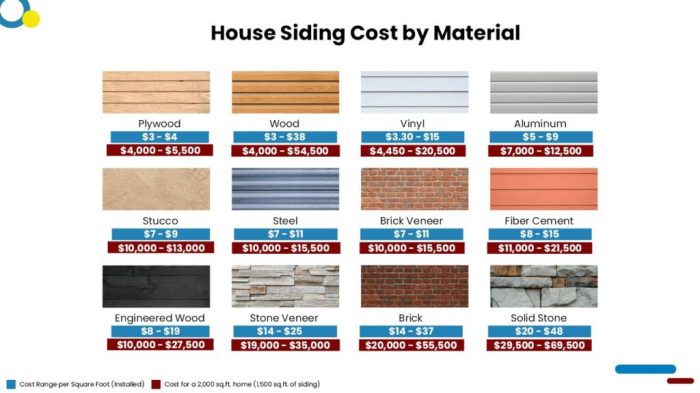
When considering the cost of replacing house siding, several factors come into play that can impact the overall expenses. Understanding these cost factors can help homeowners make informed decisions and budget accordingly.
Material Choice Impact
The choice of material for house siding is a major cost factor. Different materials come at varying price points, with some being more expensive than others. For example, vinyl siding is often more budget-friendly compared to options like cedar or fiber cement.
Additionally, the quality and durability of the material can also affect the cost, as higher quality materials tend to come with a higher price tag.
Labor Costs Contribution
Labor costs are another significant factor in the total expenses of house siding replacement. Hiring professional contractors to install the siding can add to the overall cost. The complexity of the installation, the size of the project, and the location of the house can all impact labor costs.
It’s essential to factor in labor costs when budgeting for house siding replacement to ensure a realistic estimate of the total expenses.
Popular Siding Materials and Their Costs
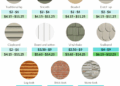
When it comes to house siding, there are several popular materials to choose from, each with its own unique characteristics and costs. Let’s explore some of the commonly used siding materials and the average costs associated with them.
Vinyl Siding
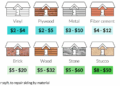
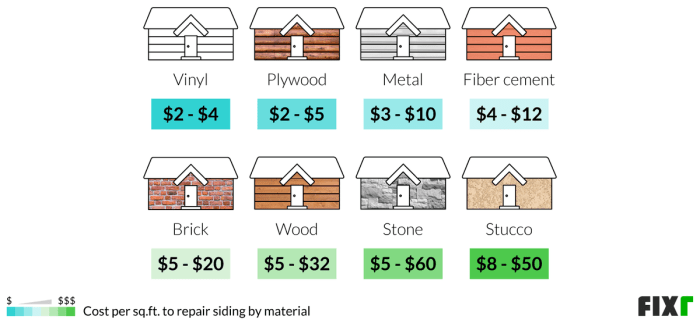
Vinyl siding is one of the most popular choices due to its affordability and low maintenance requirements. The average cost of vinyl siding ranges from $2 to $7 per square foot. It is durable and resistant to rot, making it a cost-effective option for many homeowners.
Fiber Cement Siding
Fiber cement siding is a durable and versatile option that mimics the look of wood or stucco without the high maintenance. The average cost of fiber cement siding is between $5 to $12 per square foot. While it may have a higher upfront cost, its longevity and durability make it a worthwhile investment.
Wood Siding
Wood siding provides a natural and timeless look to a home. The average cost of wood siding can range from $6 to $10 per square foot. However, wood siding requires regular maintenance, such as staining or painting, to prevent rot and decay.
Aluminum Siding
Aluminum siding is lightweight, durable, and resistant to fire and insects. The average cost of aluminum siding is between $3 to $6 per square foot. While it is a more affordable option, it may dent easily and require repainting over time.
Brick Siding
Brick siding offers a classic and elegant appearance to a home. The average cost of brick siding can range from $6 to $15 per square foot. While it is one of the more expensive options, brick siding is extremely durable and requires minimal maintenance.
Stucco Siding
Stucco siding is a popular choice for its durability and energy efficiency. The average cost of stucco siding ranges from $6 to $9 per square foot. It is a long-lasting option that provides excellent insulation properties for a home.
Stone Veneer Siding
Stone veneer siding offers the look of natural stone at a fraction of the cost. The average cost of stone veneer siding is between $8 to $12 per square foot. It is a durable and low-maintenance option that adds a luxurious aesthetic to a home.
Cost Comparison
When considering replacing house siding, it’s essential to weigh the costs of doing it yourself versus hiring professionals. Each method has its own set of potential cost savings or additional expenses to consider.
DIY Installation
DIY siding installation can be a cost-effective option for those with the necessary skills and tools. Here are some key points to consider:
- Materials Cost: Purchasing siding materials yourself can save money compared to professional markups.
- Labor Costs: By doing the work yourself, you can avoid paying for professional labor.
- Time Investment: DIY projects typically take longer to complete, so consider the value of your time.
Professional Installation
While hiring professionals may come with a higher upfront cost, there are advantages to consider:
- Expertise: Professionals have the skills and experience to ensure a quality installation.
- Efficiency: Professional installers can complete the job quicker than a DIY project.
- Warranty: Many professional installations come with warranties, providing peace of mind.
Additional Expenses to Consider
When replacing house siding, it’s important to not only budget for the cost of materials and labor but also consider other expenses that may arise during the project. These additional costs can impact your overall budget and planning, so it’s crucial to be aware of them from the start.
Permits and Regulations
Before starting your siding replacement project, you may need to obtain permits from your local municipality. Permit costs can vary depending on where you live and the scope of the project. It’s essential to factor in these expenses when budgeting for your siding replacement.
Disposal Fees
When removing old siding, you’ll need to dispose of the materials properly. This may involve renting a dumpster or hiring a waste removal service, which can incur additional costs. Make sure to account for disposal fees in your budget to avoid any surprises later on.
Unexpected Repairs
Once the old siding is removed, unexpected repairs may be uncovered, such as rot or damage to the underlying structure. It’s essential to set aside some extra funds for these unforeseen issues to ensure that your siding replacement project stays on track and within budget.
Contingency Fund
To account for any unexpected costs that may arise during the siding replacement process, it’s a good idea to set aside a contingency fund. This buffer can help cover any unforeseen expenses and prevent delays in completing the project.
Final Summary
Concluding our exploration of replacing house siding cost, remember that informed decisions lead to successful home improvement projects.
Answers to Common Questions
What are the most common factors influencing house siding replacement costs?
The main factors include material choice, labor costs, and any additional expenses like permits or disposal fees.
Is DIY siding replacement significantly cheaper than hiring professionals?
While DIY can save on labor costs, there might be hidden expenses and the risk of improper installation that could lead to higher costs in the long run.
What are the average costs associated with popular siding materials?
Vinyl siding typically costs between $2 to $7 per square foot, while fiber cement can range from $5 to $12 per square foot.
Are there any unexpected costs homeowners should be aware of when replacing house siding?
Unforeseen expenses like structural repairs, mold remediation, or customization requests can add to the overall cost of siding replacement.