
When it comes to enhancing your home’s exterior, vinyl house exterior stands out as a versatile and durable option. From its unique characteristics to the array of design choices available, this material offers a world of possibilities for homeowners looking to elevate their curb appeal.
Let’s delve into the realm of vinyl house exteriors and discover the transformative impact they can have on your property.
Introduction to Vinyl House Exterior
Vinyl house exterior refers to the use of vinyl material for the outer surface of a house. Vinyl is a synthetic material known for its durability, versatility, and low maintenance requirements, making it a popular choice for residential properties.Vinyl house exteriors offer several benefits, such as resistance to moisture, rot, and pests, making them ideal for withstanding various weather conditions.
Additionally, vinyl is available in a wide range of colors and styles, allowing homeowners to customize their exterior design to suit their preferences.
Common Design Options with Vinyl House Exteriors
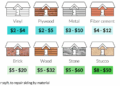
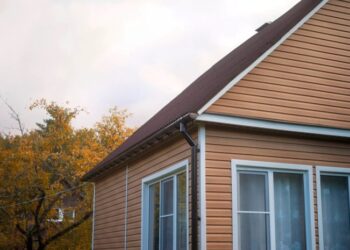
- Vinyl Siding: Vinyl siding is one of the most common design options for house exteriors. It comes in horizontal panels that mimic the look of traditional wood siding but with added durability and ease of maintenance.
- Vinyl Shakes: Vinyl shakes offer a more rustic and textured appearance, resembling natural wood shakes. They provide a unique aesthetic to the exterior of a house while still benefiting from the durability of vinyl material.
- Vinyl Trim and Accents: In addition to siding and shakes, vinyl can also be used for trim details and accents on the exterior of a house. This allows for a cohesive design that ties the different elements of the house together.
Installation of Vinyl Siding
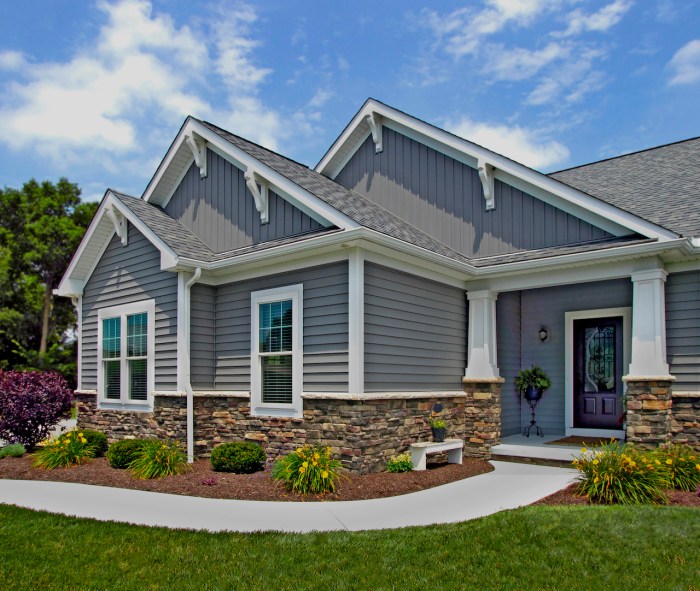
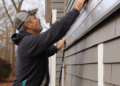
Installing vinyl siding on a house exterior is a popular choice due to its durability, low maintenance, and aesthetic appeal. Proper installation is crucial to ensure longevity and a polished finish.
Step-by-Step Guide
- Prepare the surface: Ensure the exterior surface is clean, smooth, and dry before starting the installation.
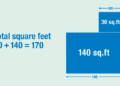
- Measure and cut: Take accurate measurements of the walls and cut the vinyl siding panels accordingly to fit perfectly.
- Install starter strips: Attach starter strips along the bottom of the walls to provide a base for the first row of siding.
- Begin siding installation: Start from one corner and work your way horizontally, overlapping each panel slightly for a seamless look.
- Use J-channels and trim pieces: Utilize J-channels around windows, doors, and corners to create a finished edge. Install trim pieces for a polished appearance.
- Secure panels: Nail or snap the vinyl siding panels into place, ensuring they are securely fastened but still have room for expansion and contraction.
- Finish with trim: Complete the installation by adding trim pieces, soffits, and fascia to enhance the overall look and protect the edges.
Tools and Materials Required
- Vinyl siding panels
- Starter strips
- J-channels
- Trim pieces
- Nails or screws
- Tape measure
- Level
- Tin snips or utility knife
- Siding removal tool
- Caulk and caulk gun
Maintenance of Vinyl House Exterior
Proper maintenance of vinyl siding is essential to prolong its lifespan and keep your house exterior looking great. Here are some tips on how to clean and maintain vinyl siding effectively:
Cleaning Vinyl Siding
- Regularly wash your vinyl siding with a garden hose or pressure washer to remove dirt, dust, and grime.
- Use a soft brush or cloth with a mixture of mild soap and water to scrub off stubborn stains or mold growth.
- Avoid using harsh chemicals or abrasive cleaners that can damage the vinyl surface.
Preventing Fading and Warping
- Avoid placing grills, fire pits, or other heat sources too close to vinyl siding to prevent warping.
- Choose lighter-colored vinyl siding to minimize fading from sun exposure.
- Inspect your siding regularly for any signs of damage or wear and address them promptly.
Maintenance in Different Climates
- In hot climates, consider installing vinyl siding with UV-resistant coatings to prevent fading and damage from intense sunlight.
- In cold climates, ensure proper insulation behind the siding to prevent moisture buildup and freezing, which can cause cracking.
- Regularly check for signs of mold or mildew growth, especially in humid climates, and clean them promptly to prevent damage.
Environmental Impact of Vinyl House Exteriors
When it comes to the environmental impact of vinyl house exteriors, there are several factors to consider. Let’s delve into the sustainability of using vinyl for house exteriors and compare its environmental impact with other popular materials like wood or aluminum.
Sustainability of Vinyl for House Exteriors
Vinyl siding is known for its durability and low maintenance, which can contribute to a longer lifespan of the exterior of a house. This longevity reduces the need for frequent replacements, ultimately reducing waste and energy consumption associated with manufacturing and installing new siding materials.
Comparison with Other Materials
- Vinyl siding is generally considered more energy-efficient than materials like wood or aluminum, as it provides better insulation for homes, reducing energy consumption for heating and cooling.
- Wood siding requires regular maintenance, such as painting and sealing, which can involve the use of chemicals harmful to the environment. Vinyl siding, on the other hand, requires minimal maintenance and does not need painting or sealing, reducing the use of toxic substances.
- Aluminum siding has a higher carbon footprint compared to vinyl siding, as the production of aluminum requires more energy and resources.
Eco-Friendly Initiatives
Some manufacturers of vinyl siding have implemented eco-friendly practices in their production processes. This includes recycling programs for old vinyl siding, reducing waste in landfills, and incorporating recycled materials into new siding products. Additionally, advancements in technology have allowed for the development of more sustainable vinyl products with lower environmental impacts.
Epilogue
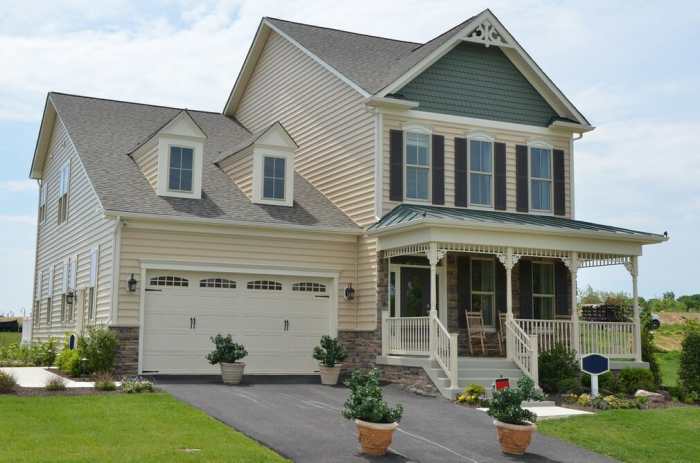
As we conclude our exploration of vinyl house exteriors, it’s clear that this material is not only aesthetically pleasing but also practical and sustainable. With proper installation and maintenance, vinyl siding can continue to adorn homes for years to come, making it a worthwhile investment for any homeowner.
Embrace the beauty and functionality of vinyl house exteriors and watch your home shine with newfound elegance.
Expert Answers
How long does vinyl siding typically last?
With proper care and maintenance, vinyl siding can last anywhere from 20 to 40 years, making it a durable option for house exteriors.
Can vinyl siding be painted?
Yes, vinyl siding can be painted, but it’s important to use the right type of paint and follow proper preparation steps for long-lasting results.
Is vinyl siding resistant to pests and insects?
Unlike wood siding, vinyl siding is not susceptible to pest infestations, making it a practical choice for homeowners looking to avoid such issues.
Does vinyl siding require a lot of maintenance?
Vinyl siding is relatively low maintenance, requiring occasional cleaning with a mild detergent and water to keep it looking fresh and vibrant.
Can vinyl siding withstand harsh weather conditions?
Yes, vinyl siding is designed to withstand various weather conditions, including high winds, rain, and extreme temperatures, making it a durable choice for house exteriors.