
Delve into the world of siding repair with this comprehensive guide that explores the importance, common types of damage, tools and materials needed, and step-by-step repair process. Whether you’re a seasoned DIY enthusiast or a homeowner looking to tackle repairs, this article will equip you with the knowledge to maintain your home’s exterior effortlessly.
Importance of Siding Repair
Ensuring that the siding of your home is properly maintained and repaired is crucial for preserving the overall appearance and structural integrity of the building.
When siding becomes damaged or worn out, it can lead to a variety of issues that can impact the safety and stability of your home. For instance, water damage from leaking siding can seep into the walls, causing mold growth and compromising the structural integrity of the building.
Preventing Further Damage
Timely siding repairs are essential in preventing further damage to your home. By addressing issues early on, you can avoid more extensive damage that may require costly replacements. Regular maintenance and repairs can help extend the lifespan of your siding and protect your home from potential structural issues.
Common Types of Siding Damage
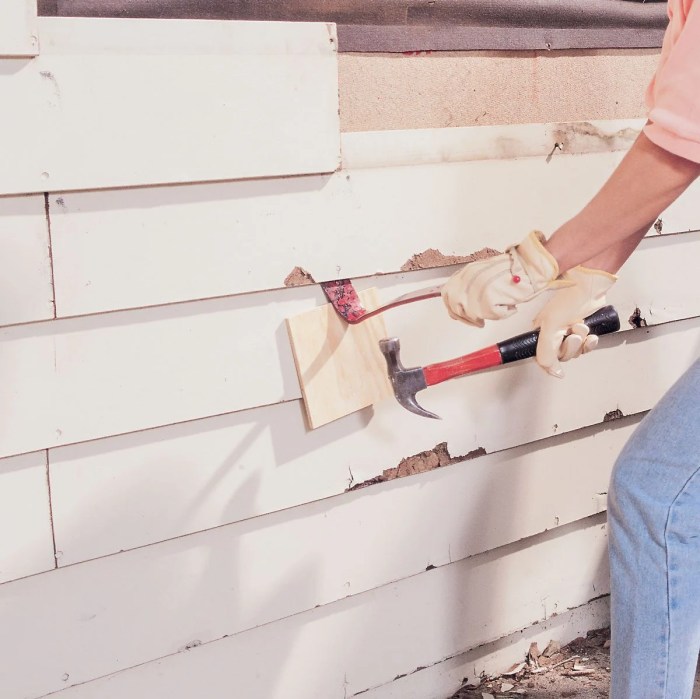
When it comes to siding damage, there are several common types that homeowners may encounter. These can include cracks, holes, warping, or discoloration, which can not only affect the aesthetic appeal of your home but also compromise its structural integrity.
Cracks
Cracks in siding can be caused by a variety of factors, such as extreme weather conditions like freezing temperatures or hail, as well as the natural aging process of the material. To repair cracked siding, it is essential to seal the cracks with a suitable caulking material and possibly replace the damaged panels if the cracks are extensive.
Holes
Holes in siding are often the result of impact damage from objects like tree branches or debris during storms. Repairing holes in siding involves filling the holes with a durable patching compound and ensuring that the affected area blends seamlessly with the rest of the siding.
Warping
Warping of siding can occur due to prolonged exposure to sunlight, moisture, or improper installation. To address warped siding, it may be necessary to replace the affected panels and correct any underlying issues that may have led to the warping in the first place.
Discoloration
Discoloration of siding can be caused by mold, mildew, or algae growth, as well as exposure to pollutants in the air. Depending on the cause of discoloration, cleaning and treating the siding with appropriate solutions may be sufficient to restore its original appearance.
Tools and Materials for Siding Repair
When it comes to repairing siding, having the right tools and materials is essential to ensure a successful outcome. Here is a list of essential tools and materials needed for siding repair:
Essential Tools:
- Hammer: Used for nailing down loose siding panels.
- Nails: To secure the siding panels in place.
- Caulking Gun: For applying sealant to any gaps or cracks in the siding.
- Pry Bar: Helps in removing damaged siding pieces.
- Tape Measure: Ensures accurate cuts and measurements.
- Saw: For cutting siding panels to fit properly.
- Ladder: Provides access to higher areas of the siding.
Materials Required:
- Siding Panels: To replace any damaged or missing siding.
- Trim Pieces: For finishing edges and corners neatly.
- Paint: To match the color of the existing siding for a seamless finish.
- Caulk or Sealant: To seal any gaps and prevent moisture from seeping in.
- Primer: Helps the paint adhere better to the siding surface.
- Replacement Fasteners: In case any existing fasteners are damaged or missing.
Tips for Selecting the Right Tools and Materials:
- Consider the type of siding you have (vinyl, wood, fiber cement, etc.) when selecting tools and materials to ensure compatibility.
- Choose high-quality tools that are durable and suitable for the job to avoid any mishaps during the repair process.
- Opt for materials that match the style and color of your existing siding to maintain a cohesive look for your home’s exterior.
- If you are unsure about which tools or materials to use, consult with a professional or refer to manufacturer guidelines for recommendations.
Step-by-Step Siding Repair Process
When it comes to repairing siding, following a systematic process is crucial to ensure a successful outcome. From assessing the damage to applying the finishing touches, each step plays a vital role in restoring the integrity and appearance of your home’s exterior.
Assessing the Damage
Before starting any repair work, carefully inspect the damaged siding to determine the extent of the problem. Look for signs of rot, cracks, holes, or loose panels that need attention. Take note of the specific areas that require repair to create a detailed plan of action.
Safely Removing Damaged Siding
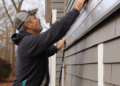
To prevent further harm to the siding or surrounding areas, it’s essential to remove the damaged sections carefully. Use a pry bar or siding removal tool to gently detach the affected panels without causing additional damage. Work slowly and methodically to avoid any accidents or unnecessary destruction.
Preparation and Installation
Once the damaged siding has been removed, prepare the area for installation by cleaning and leveling the surface. Cut the replacement siding to the appropriate size and carefully position it in place. Secure the new panels with nails or screws, ensuring a tight and secure fit to prevent future issues.
Finishing Touches
After the new siding is installed, take the time to inspect the entire repair area for any imperfections. Make any necessary adjustments or touch-ups to ensure a seamless finish. Consider painting or sealing the repaired sections to protect them from the elements and maintain the overall appearance of your home.
Concluding Remarks
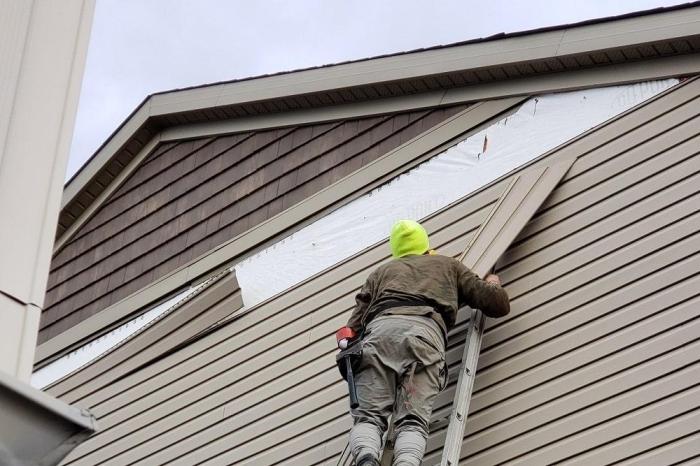
As we wrap up our journey through the realm of siding repair, remember that timely repairs can save you from costly replacements and preserve the structural integrity of your home. With the right tools, materials, and know-how, you can tackle any siding damage with confidence.
Here’s to a well-maintained and visually appealing home for years to come!
User Queries
How often should I inspect my siding for damage?
It’s recommended to inspect your siding at least once a year, especially after extreme weather conditions.
Can I paint over damaged siding?
It’s not advisable to paint over damaged siding as it can worsen the situation. Repair the damage before painting.
Is it possible to repair siding on my own?
Yes, many minor siding repairs can be done as DIY projects. However, for extensive damage, it’s best to consult a professional.