
Embark on a journey into the realm of square foot measurement, where precision meets practicality. Discover the ins and outs of this essential unit of measurement that plays a crucial role in various industries and real-life applications.
Delve deeper into the methods, importance in real estate, and strategies for maximizing space within square footage, as we unravel the significance of every square foot.
Overview of Square Foot Measurement
Square foot measurement is a unit of area commonly used to measure the size of a space or property. It is calculated by multiplying the length of a space by its width, resulting in the total square footage.
Examples of Common Uses of Square Foot Measurement
- Real Estate: Square footage is used to determine the size and value of homes, apartments, and commercial properties.
- Construction: Builders use square foot measurements to estimate materials needed for projects and calculate costs.
- Interior Design: Designers use square footage to plan layouts, furniture placement, and determine the scale of decor items.
Importance of Square Foot Measurement in Various Industries
Square foot measurement plays a crucial role in various industries for accurate planning, estimation, and cost calculations. It provides a standardized unit for assessing space, allowing professionals to make informed decisions based on area requirements.
Methods for Measuring Square Footage
When it comes to measuring square footage, there are various tools and techniques that can be used to ensure accurate results. Whether you’re measuring a room in a house or a piece of land, it’s important to choose the right method for the specific space you are working with.
Traditional Measuring Methods
Traditional methods of measuring square footage typically involve using a tape measure, ruler, or measuring wheel. These tools are commonly used for smaller spaces like rooms or furniture pieces. By physically measuring each side of the area and multiplying the length by the width, you can calculate the total square footage manually.
Modern Technology-Based Approaches
With advancements in technology, there are now more efficient ways to measure square footage. Laser measuring devices and smartphone apps can provide accurate measurements in a fraction of the time it takes to measure manually. These tools are particularly useful for larger spaces or outdoor areas where precision is key.
Tips for Effective Measurement
- Ensure the space is clear of any obstacles or furniture that could interfere with measurements.
- Measure both the length and width of the space to calculate square footage accurately.
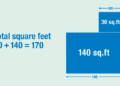
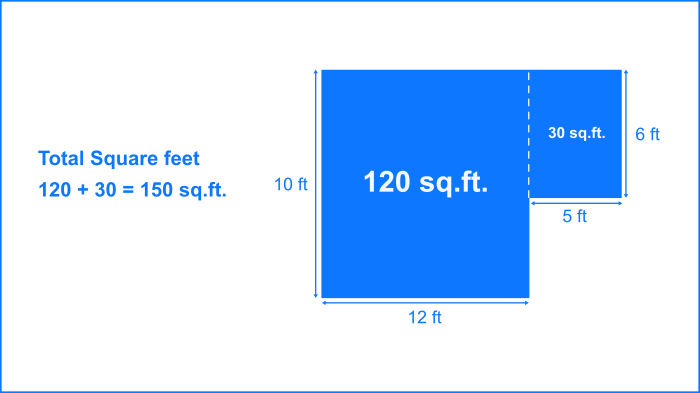
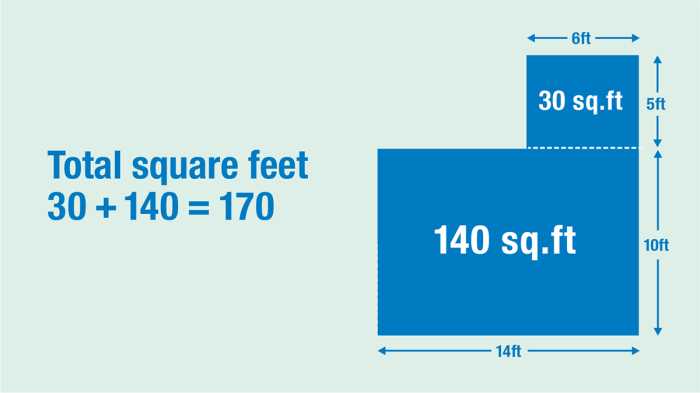
- For irregularly shaped spaces, divide them into smaller sections and measure each section separately before adding them together.
- Double-check your measurements to avoid errors that could impact the final square footage calculation.
Importance of Square Footage in Real Estate
When it comes to real estate, square footage plays a crucial role in determining the value of a property. The size of a home or commercial space can significantly impact its market price, making accurate square footage measurements essential for both buyers and sellers.
Impact on Property Value
- Properties with larger square footage tend to have higher market values compared to smaller ones.
- Buyers often use the price per square foot as a key metric to evaluate the affordability and value of a property.
- Appraisers consider square footage when determining the fair market value of a property for mortgage purposes.
Significance of Accurate Measurements
- Incorrect square footage listings can lead to overpricing or undervaluing a property, affecting both buyers and sellers.
- Accurate measurements help in setting a fair asking price and attracting the right buyers for a property.
- Inaccurate square footage can result in legal disputes and impact the overall transaction process.
Influence on Homebuyers’ Decisions
- Homebuyers often prioritize square footage when searching for a property, looking for spaces that meet their needs and lifestyle.
- A larger square footage can be a selling point for families or those seeking more living space.
- Buyers may be willing to pay more for extra square footage that adds value and functionality to a property.
Maximizing Space in Square Footage
When dealing with limited square footage, it’s essential to maximize the available space efficiently. This involves strategic design choices and a focus on minimalism to make the most out of every square foot.
Strategies for Optimizing Space
One effective strategy for optimizing space in small square footage areas is to utilize multifunctional furniture. Pieces that serve more than one purpose, such as a sofa bed or a storage ottoman, can help save space while providing functionality.
Another approach is to utilize vertical space by installing shelves or cabinets that reach the ceiling. This not only maximizes storage but also draws the eye upward, creating the illusion of a larger space.
Additionally, using light colors for walls and furniture can help make a room feel more spacious and airy. Mirrors are also a great way to reflect light and create the illusion of depth in a small area.
Smart Design Choices
- Opt for furniture with exposed legs to create a sense of openness and visual space.
- Choose furniture that can be easily moved or folded away to adapt to different needs throughout the day.
- Use rugs to define different areas within a room without the need for physical barriers.
Minimalism and Space Efficiency
Minimalism plays a crucial role in maximizing space efficiency by focusing on simplicity, functionality, and decluttering. By embracing minimalistic design principles, such as opting for essential items and reducing visual clutter, you can create a more spacious and organized living environment.
Wrap-Up
As we conclude our exploration, remember that every square foot holds potential for creativity and functionality. Whether it’s in real estate or optimizing space, the impact of square footage is undeniable in shaping our surroundings and decisions.
FAQ Section
How is square foot measurement calculated?
Square foot measurement is calculated by multiplying the length of a space by its width. For example, a room that is 10 feet long and 12 feet wide has a square footage of 120 square feet.
Why is accurate square footage important in property listings?
Accurate square footage in property listings is crucial as it directly impacts the perceived value of a property. Misrepresenting square footage can lead to legal issues and buyer dissatisfaction.
What are some tips for effectively measuring square footage in different spaces?
When measuring square footage, ensure to account for irregular shapes by breaking them down into smaller, measurable sections. Use laser measuring tools for precise measurements in challenging spaces.